
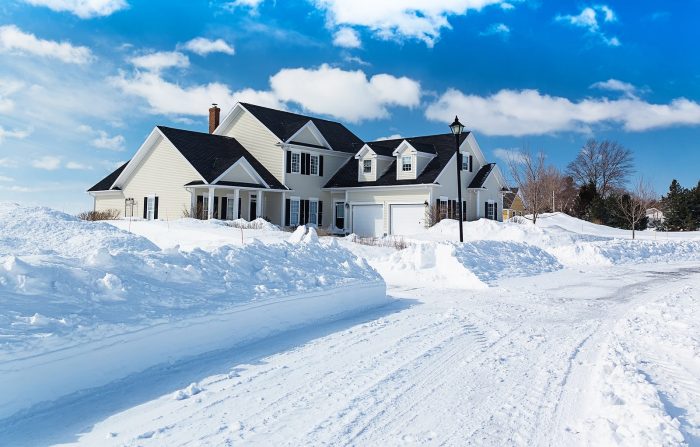
The Impact of Freeze-Thaw Cycles on Minnesota Roofs (and How To Protect Yours)
Winter weather in Minnesota brings more than just snow and ice. It subjects your roof to a relentless cycle of freezing and thawing that can cause severe structural damage.
If you live in Farmington, Lakeville, Apple Valley, or Minneapolis, you’ve probably noticed how temperatures swing wildly during late fall through early spring. One day it’s 35 degrees and sunny, the next it drops to 15 degrees overnight. These fluctuations cause freeze-thaw roof damage in Minnesota, quietly eroding your shingles, flashing, and underlayment.
Elite Remodeling Services will walk you through what happens during these winter cycles and how to shield your home.
What Happens During Freeze-Thaw Cycles
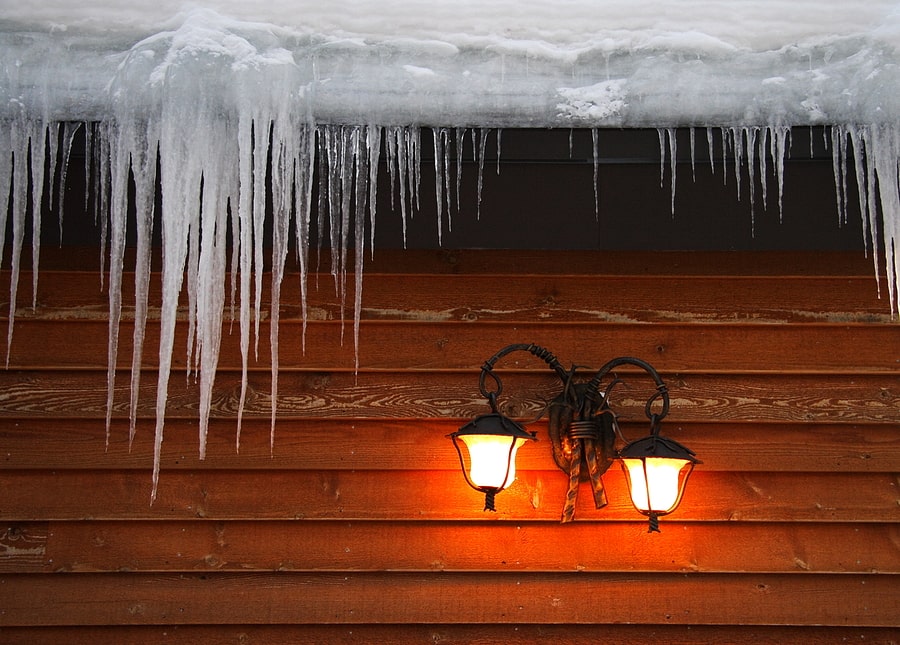
When snow melts on your roof during a warm afternoon, water seeps into small cracks in your shingles or gaps around your flashing. Once temperatures drop after sunset, the trapped water freezes and expands by roughly 9%. This expansion forces cracks to widen and pushes shingles apart, leading to excessive freeze-thaw roof damage in Minnesota.
After dozens of these freeze-thaw events in a single season, minor cracks become major leaks. Homeowners in Apple Valley and Lakeville often discover the damage too late, usually after water has already infiltrated the attic or stained interior ceilings.
How Shingles Deteriorate Under Thermal Stress
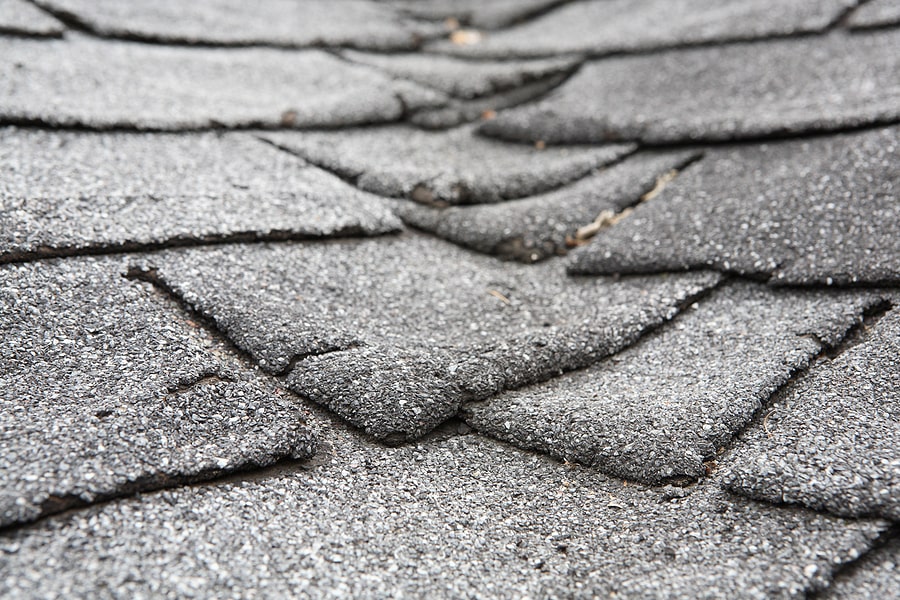
Asphalt shingles bear the brunt of thermal cycling. Water infiltrates beneath the granule surface and into the asphalt mat. When it freezes, the expanding ice fractures the shingle from the inside out.
You’ll notice curling edges, cupped centers, or brittle corners that snap off during windstorms. Damaged shingles lose their ability to shed water effectively. Gaps between shingles widen, and underlayment becomes exposed to UV rays and moisture.
Minneapolis homeowners dealing with older roofs face accelerated deterioration because shingles lose flexibility over time. A 15-year-old roof has less elasticity than a new one, so freeze-thaw damage progresses faster.
Why Flashing and Underlayment Are Vulnerable
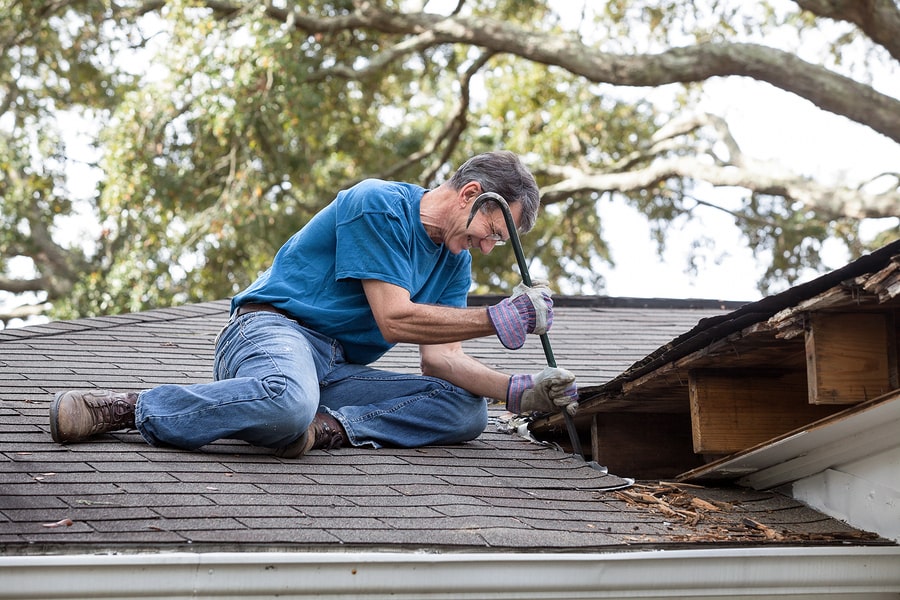
Metal flashing around chimneys, vents, and roof edges protects seams where water naturally collects. When freeze-thaw cycles push shingles apart, they also loosen flashing. Ice wedges under flashing seams and lifts them away from the roof deck.
Your underlayment acts as a backup barrier beneath shingles. Traditional felt underlayment absorbs moisture when freeze-thaw roof damage in Minnesota creates gaps in your shingle layer. Wet underlayment loses its waterproofing ability and tears easily.
Residents often see flashing damage near chimneys and skylights first because these areas experience the most dramatic temperature swings.
Call Elite Remodeling Services at (952) 646-2480 to inspect your flashing and underlayment before winter intensifies.
Protecting Minnesota Roofs From Freeze-Thaw Damage
You can reduce the impact of winter cycles on roofs in Minnesota by addressing three critical areas: insulation, ventilation, and proactive maintenance. Proper attic insulation keeps warm air from escaping through your roof deck. When your roof stays uniformly cold, snow doesn’t melt and refreeze as often.
Balanced attic ventilation regulates temperature and humidity. Soffit vents pull cool air into the attic while ridge vents exhaust warm, moist air. Routine inspections catch minor problems before they become expensive disasters.
Freeze-Thaw Roof Damage Prevention in Minnesota
Taking action before winter arrives saves you money and stress. Consider these roof protection strategies:
- Upgrade attic insulation to R-49 or higher. This step keeps your roof deck cold and minimizes snowmelt.
- Install synthetic underlayment during your next roof replacement. It resists moisture penetration better than felt.
- Clear gutters and downspouts before the first freeze. Clogged gutters trap water that refreezes and damages roof edges.
- Apply ice and water shield along eaves and valleys. This membrane blocks water infiltration even when ice dams form.
- Trim overhanging branches near your roof. Falling limbs during ice storms cause immediate damage that compounds freeze-thaw issues.
Homeowners who invest in these upgrades extend their roofs’ lifespan by years. Emergency repairs during the coldest months will also be less likely.
Contact Elite Remodeling Services at (952) 646-2480 to schedule a pre-winter roof evaluation.
Elite Remodeling Services Protects Your Farmington Home From Seasonal Damage
Freeze-thaw cycles threaten every home in our service area, but you don’t have to wait for leaks to take action. Elite Remodeling Services specializes in comprehensive roof inspections, insulation upgrades, and emergency repairs that keep your home safe through the harshest winters. Our team understands the unique challenges Farmington, Lakeville, Apple Valley, and Minneapolis homeowners face during late fall through early spring.
Schedule a winter roof inspection with Elite Remodeling Services today at (952) 646-2480 to protect your Farmington home from costly freeze-thaw roof damage in Minnesota.
