
How To Boost Energy Efficiency With the Right Roof and Siding Combo in Minnesota
You watch your heating bills climb every January, and by July, the air conditioner runs nonstop just to keep your home comfortable. Minnesota’s brutal winters and sticky summers put constant pressure on your home’s exterior. When your roof and siding don’t work together efficiently, you pay the price in wasted energy.
The solution lies in understanding how energy efficient roof and siding combinations create a thermal shield that keeps your home comfortable year-round while slashing utility costs. Elite Remodeling Services helps Farmington homeowners make smart decisions about exterior upgrades that deliver real savings. This guide breaks down how the right pairing of insulated siding and properly designed roofing systems can transform your home’s energy performance.
Why Your Roof and Siding Need To Work as a Team
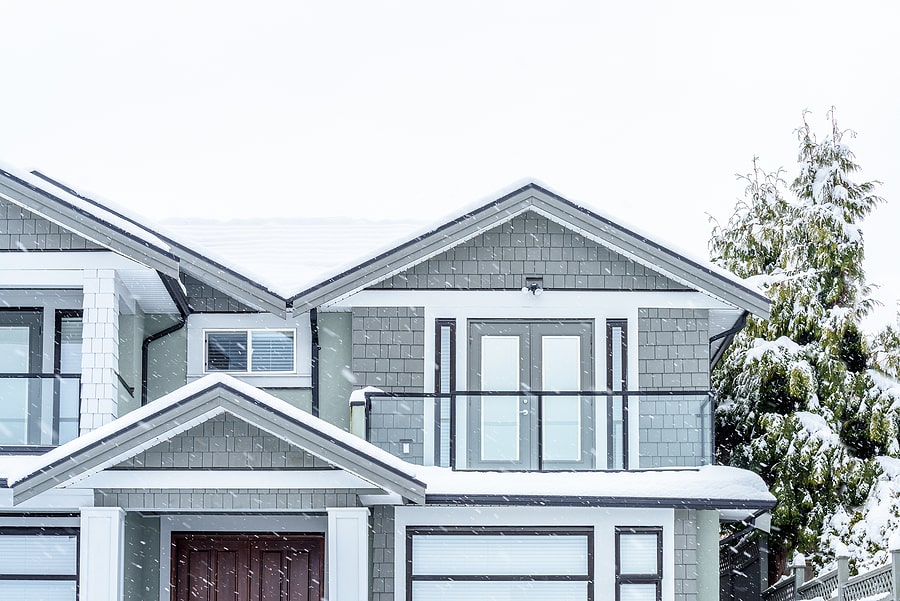
Strategic energy-efficient roof and siding combinations reduce your utility bills while protecting your home from Minnesota’s harsh climate. Your home’s exterior envelope includes both your roof and walls, and they must function together to prevent energy loss. When you install insulated siding without addressing roof ventilation, heat still escapes through your attic.
Homeowners in Burnsville see this problem constantly during winter. Heat rises from living spaces, and without proper attic ventilation, it melts snow on the roof. That melted snow refreezes at the eaves, creating ice dams that damage shingles and gutters.
The most effective approach combines insulated siding with reflective or ventilated roofing systems. This strategy addresses heat loss through walls while managing attic temperature and moisture.
How Insulated Siding Cuts Heat Transfer
Standard vinyl siding offers minimal thermal protection, with an R-value of around 0.6. Insulated vinyl siding, backed with rigid foam, jumps to R-3 or R-4. That difference translates to 10% to 20% annual energy savings for Minnesota homes.
The foam backing reduces thermal bridging, which happens when heat escapes through wall studs and framing. The missing heat creates cold spots inside your walls, which waste energy and can lead to condensation problems. Boosting energy efficiency with a roof-and-siding combo in Minnesota starts with eliminating these weak points in your home’s envelope.
Fiber cement siding paired with continuous exterior foam insulation can push R-values even higher, often reaching R-5 or higher. For homeowners in Minneapolis dealing with sub-zero temperatures, this extra protection keeps indoor temperatures stable.
Roofing Strategies That Complement Efficient Siding

Metal roofing sheds snow quickly thanks to its smooth, low-friction surface. This feature prevents excessive weight buildup and reduces ice dam formation. When you pair metal roofing with insulated siding, you create optimal roof-and-siding combinations for energy savings by addressing both snow management and wall insulation.
Proper attic ventilation matters just as much as the roofing material itself. Balanced ventilation systems combine soffit intake vents with ridge or turbine exhaust vents. This airflow keeps your attic temperature close to the outdoor temperature, preventing the conditions that lead to ice dams.
Reflective roofing materials help during the summer months by bouncing solar radiation away from your home. When paired with insulated siding that blocks heat from entering through walls, these energy-efficient roof and siding combinations translate to substantial savings.
Choosing Materials Based on Climate Performance
Understanding how to choose roof and siding for better efficiency requires matching materials to local conditions. Farmington homeowners face freeze-thaw cycles that crack and warp inferior materials.
Energy-efficient roof and siding choices for Minnesota homes include:
- Insulated vinyl siding with foam backing for budget-friendly thermal performance
- Fiber cement siding with rigid foam insulation for maximum durability and R-value
- Standing-seam metal roofing for superior snow shedding and longevity
- Impact-resistant asphalt shingles with proper underlayment
- Engineered wood siding with foam backers for natural aesthetics
Ventilation’s Role in Long-Term Performance

Even the best materials fail without proper ventilation. Your attic needs at least 1:300 net free vent area per square foot of attic floor.
Cold attic systems keep your roof deck cold, preventing snow melt and ice dams. Combined with high-quality, insulated siding, this creates Minnesota energy-efficient roofing and siding strategies that protect your home year-round.
Burnsville and Minneapolis homeowners often discover that adding ventilation during a siding upgrade extends their roof’s lifespan by preventing moisture damage to sheathing and rafters.
Elite Remodeling Services Delivers Complete Exterior Solutions
Elite Remodeling Services specializes in exterior upgrades that address your home’s entire thermal envelope. Our team understands how insulated siding, proper ventilation, and high-performance roofing work together to deliver maximum savings. We use quality materials designed for Minnesota’s extreme weather, and our installations meet current energy code standards.
Call Elite Remodeling Services at (952) 646-2480 to schedule your consultation and discover which energy-efficient roof and siding combinations work best for your Farmington home.
