

Understanding the Minnesota Roof Replacement Building Guide
When your roof needs replacement, navigating Minnesota roof replacement building codes can feel overwhelming. These requirements for roof replacement affect everything from material selection to project timelines. While regulations remain consistent statewide, understanding how roof permit and inspection rules in Minnesota impact your project helps you avoid delays and protect your investment.
Elite Remodeling Services guides Twin Cities homeowners through the complex landscape of state and local roofing regulations.
Contact Elite Remodeling Services at (952) 646-2480 for a code-compliant estimate.
Why the Minnesota Roof Replacement Building Code Guide Matters

The state follows the 2020 Minnesota Residential Code, which adopts the 2018 International Residential Code as its foundation. This statewide standard ensures every roof can withstand harsh winters, heavy snow loads, and ice dam formation throughout Minnesota.
Building code requirements for roof replacement directly impact critical aspects of your project. They determine which roofing materials your contractor can use based on your roof’s slope, establish specific installation methods to prevent water infiltration, and mandate inspection checkpoints throughout the installation process.
For example, if your existing roof deck has deteriorated, your contractor cannot install new shingles over damaged sheathing. Residential roof replacement regulations in Minnesota require a solid foundation. This deck re-sheathing work adds time to your project but ensures your new roof performs as intended for its entire lifespan.
Essential Building Code Requirements for Roof Replacement
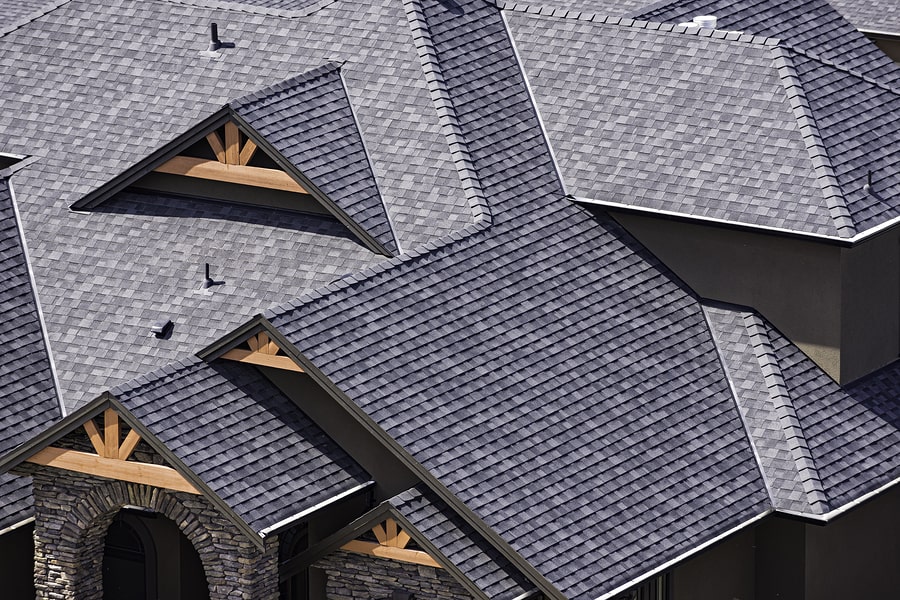
Key residential roof replacement regulations in Minnesota include the following:
- Asphalt shingles require a minimum roof slope of 4:12 (4” of vertical rise for every 12” of horizontal run).
- Ice barrier protection must extend at least 24” beyond the interior wall line at all eaves.
- Proper ventilation systems with adequate intake and exhaust vents prevent moisture buildup.
- Galvanized steel or stainless steel roofing nails must penetrate the roof sheathing at a depth of at least ¾”.
Ice dam protection and re-sheathing requirements deserve special attention in Minnesota’s climate. Ice dam protection rules exist because Minnesota winters create perfect conditions for these damaging formations; snow melts on warmer upper roof sections, then refreezes at colder eaves, forcing water under shingles.
Understanding Roof Permit and Inspection Rules in Minnesota
As part of the Minnesota roof replacement building codes, local municipalities require building permits for all roof replacement projects. Your contractor submits detailed plans showing how the installation will comply with state building codes. Most municipalities need several days to review and approve permit applications before work can begin.
Roof permit and inspection rules in Minnesota include mandatory inspections at key project stages. Building inspectors verify that your contractor installed proper underlayment, ice barriers, and flashing before covering these components. These inspection points add scheduled pauses to your project timeline, but they ensure every hidden component meets code standards.
Minnesota requires shingles rated for a maximum wind speed of 115 mph. Flashing requirements protect vulnerable areas where your roof meets walls, chimneys, and valleys. For example, chimneys wider than 30” require a cricket on the upslope side to divert water.
Roofing Code Compliance Checklist for Homeowners
A comprehensive checklist for Minnesota roof replacement building codes should include:
- Verified contractor licensing and insurance
- Submitted permit applications before work begins
- Ice barrier installation extending 24” beyond interior walls
- Proper ventilation with adequate intake and exhaust
- Correct fastener types and penetration depth
- Scheduled inspections at required stages
- Final inspection approval and permit closure
Understanding ice dam protection and re-sheathing requirements helps you recognize when additional work becomes necessary. If inspectors identify deteriorated sheathing during the tear-off phase, addressing this issue ensures your new roof has a code-compliant foundation.
How Elite Remodeling Services Ensures Code Compliance
Working with experienced contractors eliminates the stress of navigating complex building regulations. Elite Remodeling Services handles all permit applications, coordinates inspection schedules, and ensures every aspect of your installation meets or exceeds code standards.
We also protect homeowners from the consequences of code violations. Unpermitted work can create problems when you sell your home, void manufacturer warranties, and result in insurance claim denials if roof damage occurs.
Elite Remodeling Services: Your Partner in Code-Compliant Roofing
Understanding Minnesota roof replacement building codes helps you make informed decisions about your project. Residential roof replacement regulations in Minnesota directly impact your project timeline through permit review periods, mandatory inspection checkpoints, and ice dam protection and re-sheathing requirements.
Elite Remodeling Services helps clients navigate these complex requirements, handling every detail from permit applications to final inspections. We take full responsibility for ensuring compliance with all roof permit and inspection requirements in Minnesota.
Contact us today at (952) 646-2480 for a code-compliant roof estimate from licensed Minnesota roofing experts serving Farmington and the entire Twin Cities area.
